
Search
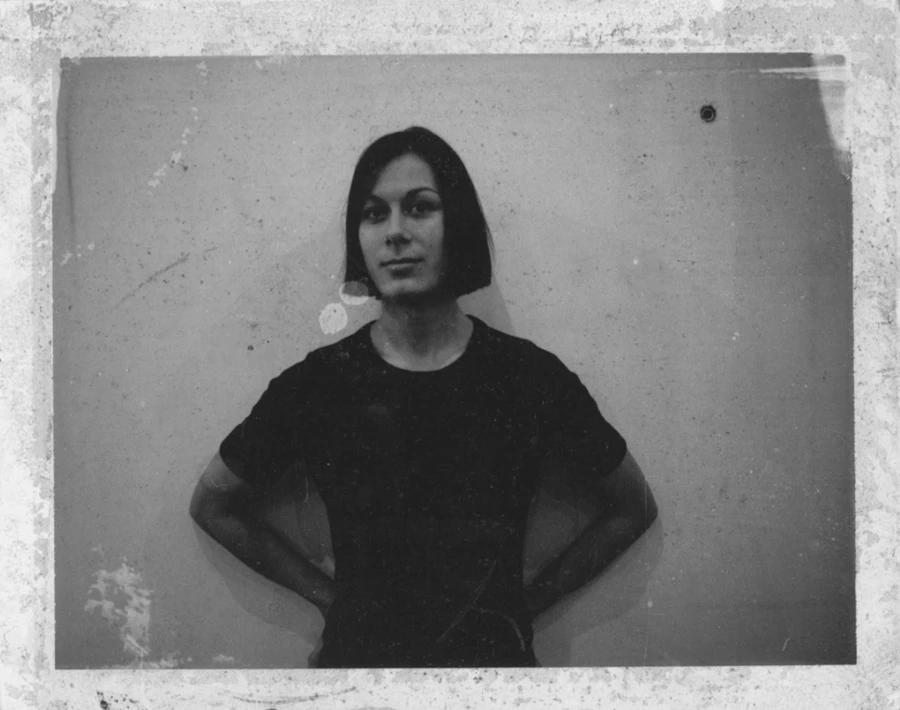
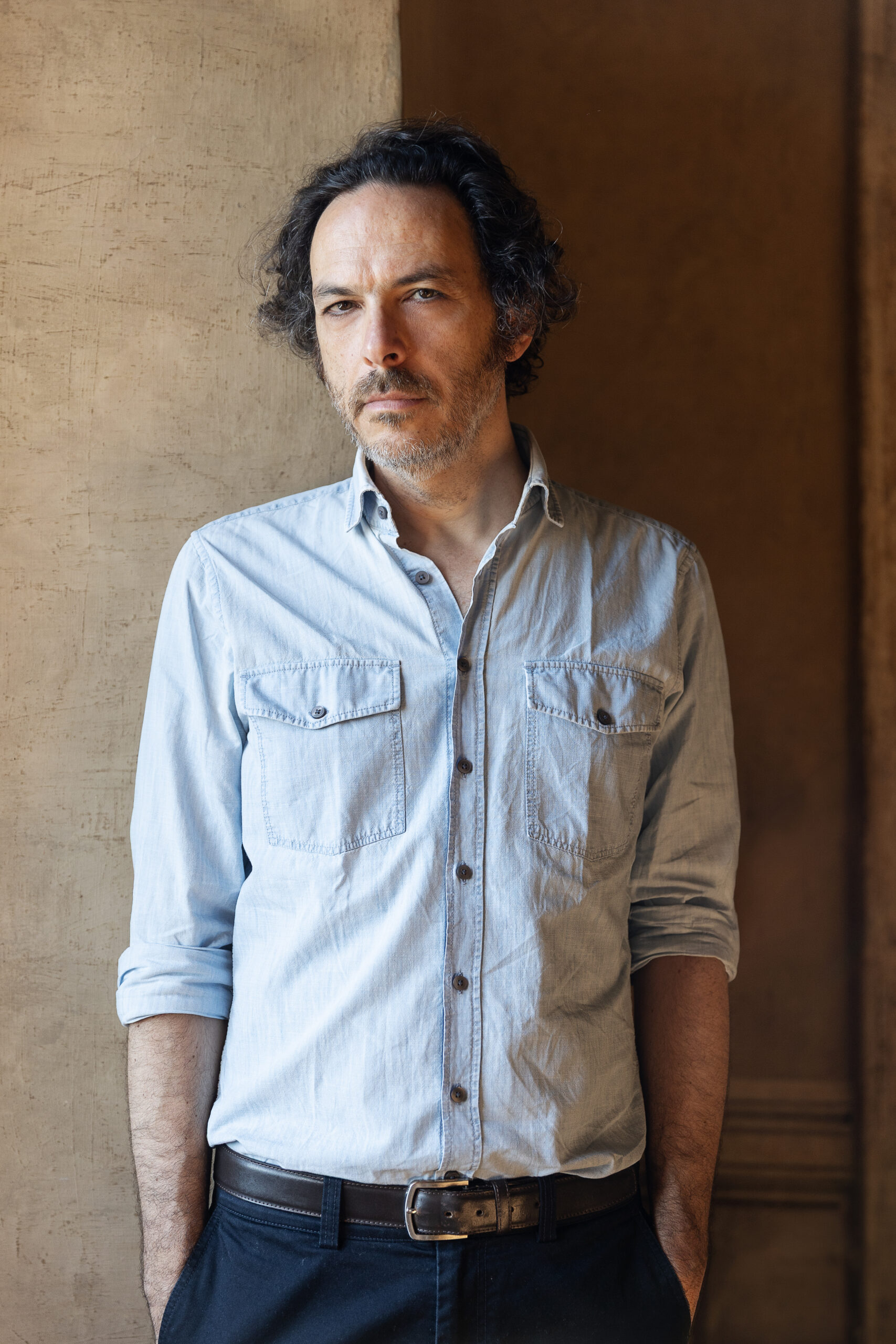
Jean-Charles de Quillacq
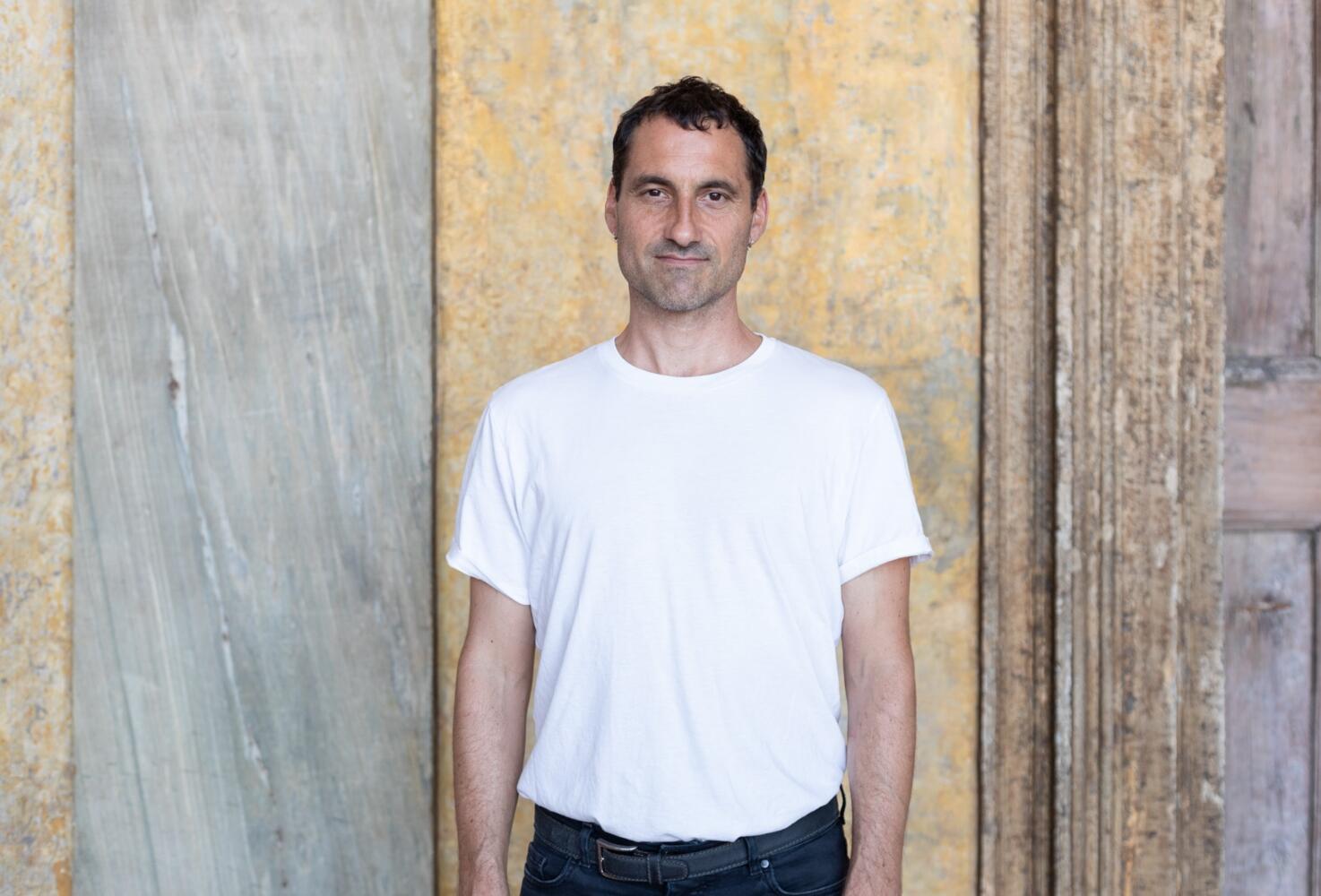
Fellow
2023 - 2024
Visual arts
Biography
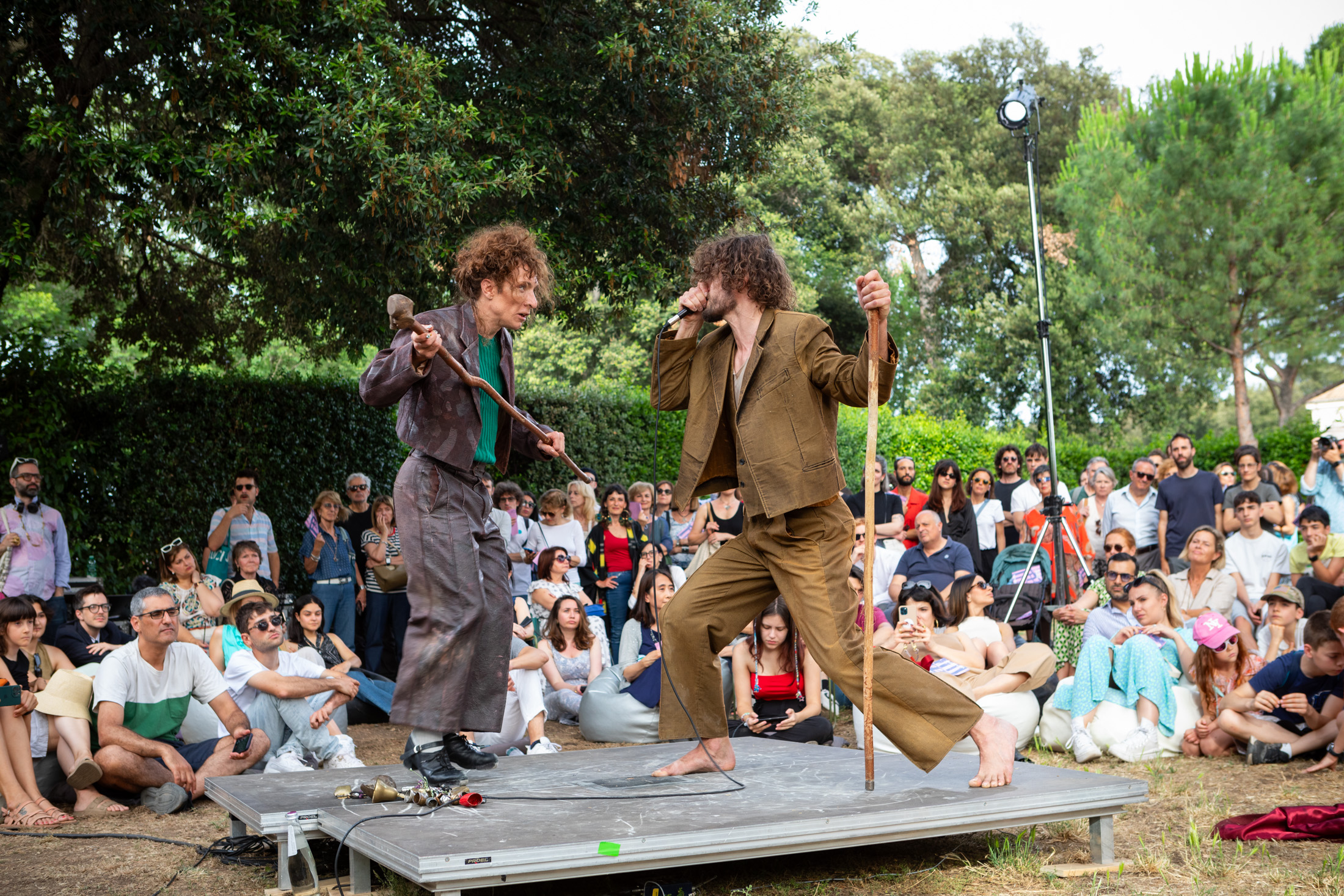
Jean-Charles de Quillacq (France, 1979) develops sculptural ensembles that are at once organic and abstract, conceptual and fetishistic, which he presents by inviting others to take part in their exhibition protocols. He has thus produced several performances, including Transport Amoureux at Triangle France in 2018 and Fraternité Passivité Bienvenue at the Palais de Tokyo in 2016. His work has been the subject of several monographic exhibitions, notably in 2021 at Art 3 Valence, in 2020 at the Marcelle Alix gallery, which represents him, at Bétonsalon in 2019 and at La Galerie, center d’art contemporain de Noisy-le-Sec in 2018. He has recently exhibited at the Bemis Art Center (Omaha, USA), the Musée d’Art Moderne de Paris, the Palais de Tokyo, the Matter of Art Biennale in Prague and the most recent Biennale de Rennes. Jean-Charles de Quillacq graduated from the École des Beaux-Arts de Lyon and continued his artistic training at the Weißensee Kunsthochschule in Berlin and the Rijksakademie in Amsterdam, where he was resident in 2010 and 2011.
Project
Through his sculptures, Jean-Charles de Quillacq questions our relationship with the body, showing how penetrable and porous it is to our capitalist economies. For his project at Villa Medici, he turned his attention to the Italian concept of morbidezza. While the French term morbide is always associated with the sickly, the Italian derivation of morbidezza in the 16th century shifted towards a positive appreciation of softness, at the same time as the representation of a new body, much younger and of indistinct gender. The softness of these reborn bodies is linked to the way we think about our relationship to the world, and Jean-Charles de Quillacq’s project aims to unfold all the positive potential of being soft, if we welcome logics other than those validated by our capitalist regimes.
At Villa Medici
See the complete program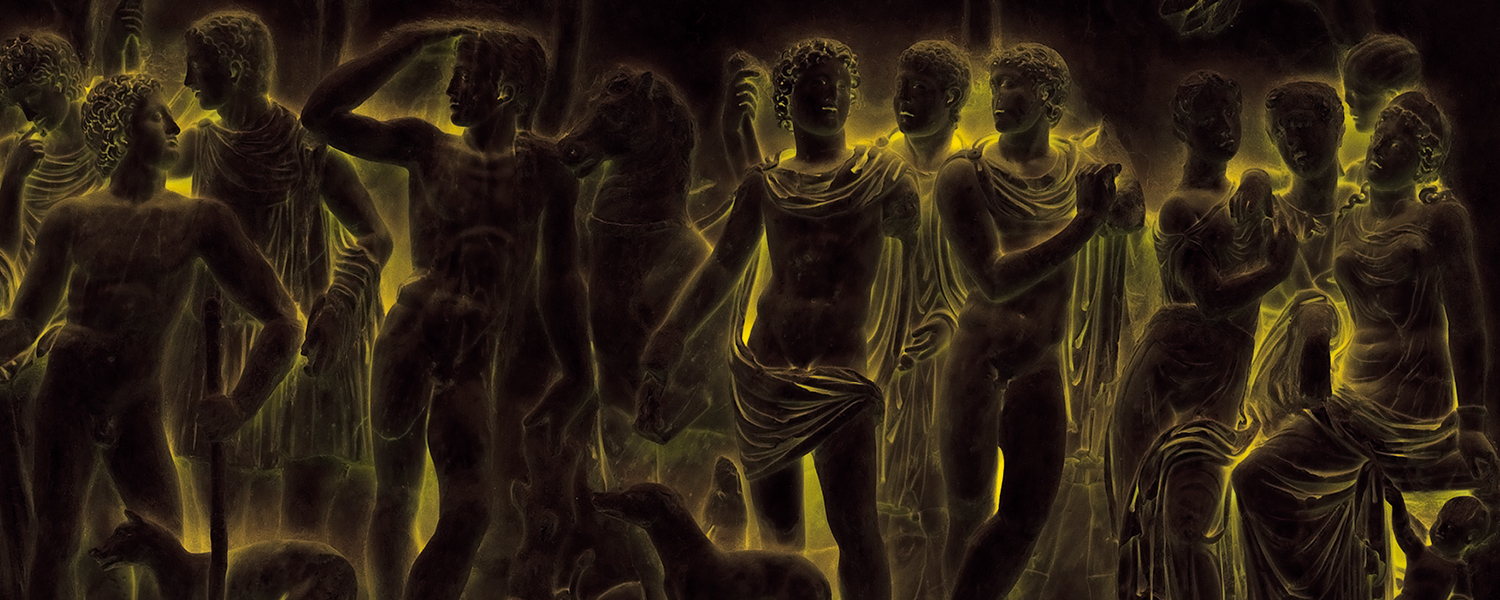
After residency
Fellows
2026 - 2027
Medici Residency Occitanie
Application 19.10 - 19.12.2026
Created in 2018 by the Occitanie Region in partnership with the French Academy in Rome - Villa Medici, the Price Occitanie - Medici dedicated to young contemporary creation aims to develop the international influence of talent from Occitanie by welcoming them to the Villa Medici for a research and creative stay of several months. Each year, the price attracts around a hundred candidates - visual and visual artists - eager to take advantage of the opportunity offered by a residency at one of Europe's most emblematic art centers, in contact with other artists from a wide range of disciplines and backgrounds. Each year, the winner of the Price Occitanie - Medici is selected on the basis of an application and an audition of the shortlisted candidates, each of whom presents his or her project to a jury made up of representatives of the Region, the Director of Villa Medici and associated experts.